
Deep in the ocean, thousands of meters below the surface, nature performs a strange kind of magic. Near hydrothermal vents, where extreme pressure meets volcanic heat, water enters a “fourth state“ (beyond the three most of us know: solid, liquid, and gas), defined as the supercritical state.
In that moment, water is neither a liquid nor a gas. it is a powerful, high-energy fluid that behaves unlike anything we see on the surface.
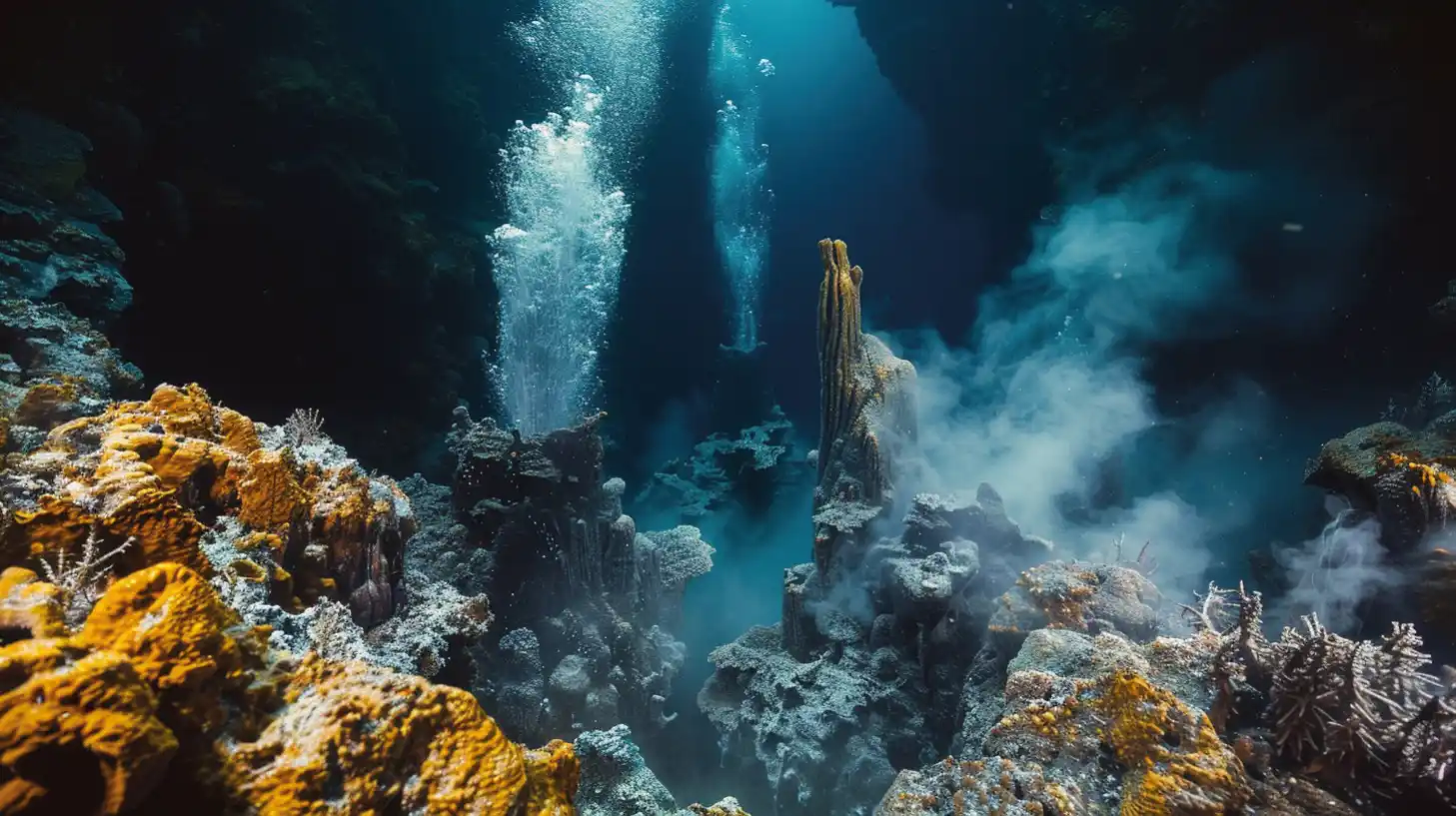
And here’s the magic.
At our facility, we haven’t just studied this phenomenon; we’ve mastered it.
Through our SWaP™ (Supercritical Water Precipitation) process, we bring the power of the deep ocean into our plant to solve one of the industry’s toughest challenges: metal recovery from industrial wastewater.
The potential of supercritical water
In nature, supercritical water is a rare phenomenon to observe due to the extreme conditions in which it occurs. In our process, it is a precision tool.
By pushing water beyond its critical point (374°C and 221 bar), we unlock a unique ability: the power to change how substances dissolve within it.
While normal water “holds onto” metals, supercritical water behaves in a diametrically opposite way: it creates an environment where metals simply cannot remain in solution and are forced to precipitate.
How SWaP™ Works: From Waste to Resource
Our process is a 5-step journey toward circularity, with one specific “superpower” at its core.
Why nature always wins
At Circular Materials, we use nature to protect the planet and make industrial supply chains more resilient and circular.
By mimicking the extreme conditions found in the deep ocean, we avoid the use of heavy chemicals and reduce the carbon footprint compared to traditional treatment methods.
Do you want to find out if there is hidden value in your wastewater?
Contact us and book a personalized consultation!