
Europe’s search for critical raw materials is often framed around finding new critical material sources in allied countries that reduce reliance on more hostile states. Discussions also focus on the recycling of metal products once they reach the end of their lives.
These measures will all be vital, but they are not the only places where strategic materials can be found.
An overlooked and invaluable source of metals is already moving through European industry every day in the form of industrial wastewater.
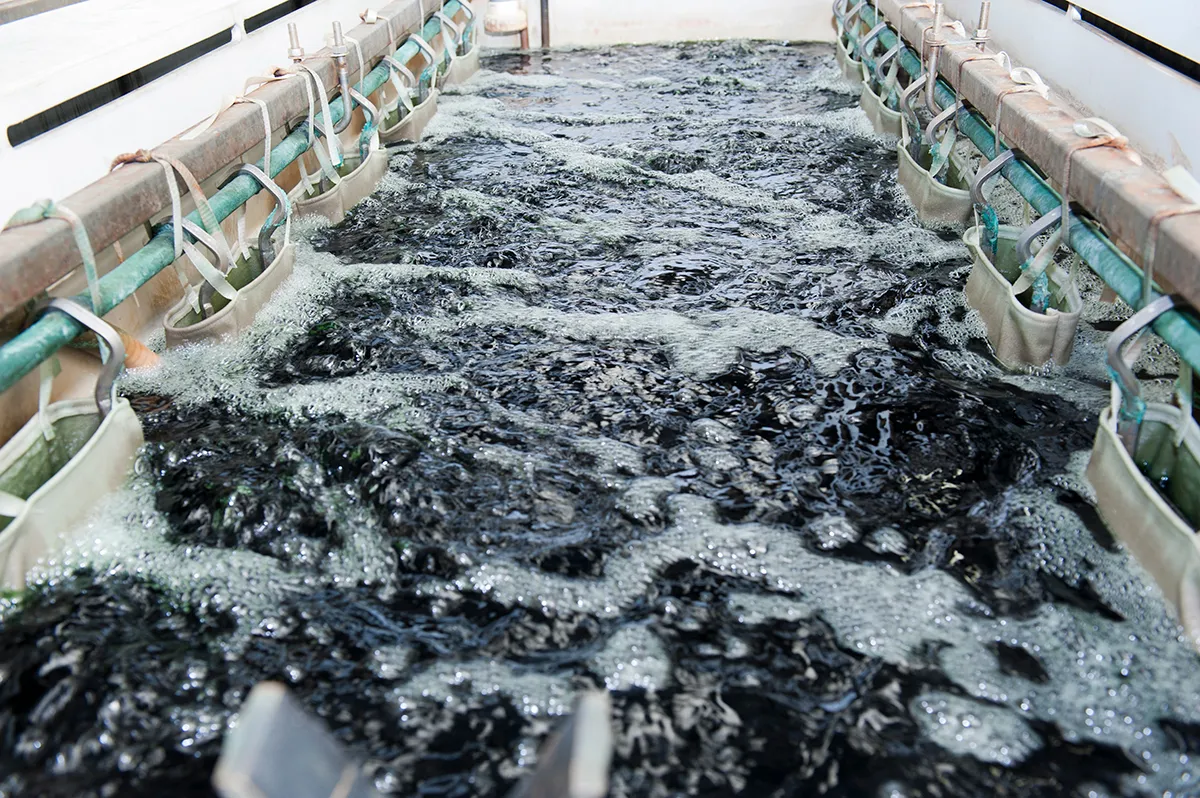
Wastewater mining is the recovery of valuable metals from industrial wastewater. It reframes wastewater as more than a compliance or disposal issue. In industrial settings, wastewater can become a source of secondary raw materials, providing Europe with an important alternative source of critical raw materials for its manufacturing base and reducing the need for new and environmentally damaging mining operations and vulnerable import dependence.
For manufacturers, policymakers, and industrial operators, the opportunity is increasingly difficult to ignore.
Metal recovery from wastewater can turn a waste-management challenge into a resource-recovery strategy, capturing valuable materials before they are lost through conventional treatment routes.
Instead of treating wastewater as an inconvenient by-product at the end of the industrial process, wastewater mining allows critical minerals to re-enter the supply chain.
And unlike an ore body that must still be located, permitted and dug from the ground, this feedstock is already above ground, already collected, and already being paid for as a cost of doing business.
Valuable metals are lost not because industry fails to treat its wastewater, but because most treatment systems were designed for compliance rather than recovery.
Their primary purpose is to remove contaminants from water so that industrial sites can meet discharge limits and operate in compliance with environmental and health regulations.
What they were not designed to do is capture the material value contained in those contaminants.
This matters because dissolved metals do not disappear when wastewater is treated.
In many conventional systems, they are removed from the water and left behind in the resulting sludge. These systems solve the immediate problem from a compliance perspective because the water is treated and the contaminants are no longer present in the discharged stream.
From a resource perspective, however, value has been transferred from a potentially recoverable waste stream to another from which recovery is much more difficult.
The sludges that contain these valuable metals require specialist handling, treatment or disposal, creating an additional financial burden for industry, some of which could be turned into value through the recovery of the materials.
In other words, industry frequently pays twice: once to lose the metal into sludge, and again to dispose of the hazardous waste it has become.
The scale of the opportunity is significant.
Circular Materials estimates that the EU generates around 4.3 million tonnes a year of industrial wastewater containing dissolved non-ferrous metals, with more than half of that volume coming from France, Italy, Germany, and Spain.
Even before assigning a precise figure to the metals lost within those streams, the point is clear: Europe is already handling a large volume of metal-bearing wastewater that is mostly treated as a disposal problem rather than a source of secondary raw materials.
Europe needs not just a technology shift but a mindset shift in this area.
This is why wastewater mining is more than a technical improvement to wastewater treatment.
It addresses a structural inefficiency in the way industrial materials are managed.
While Europe is working to secure access to the metals needed for advanced manufacturing, clean energy, electronics, defence, and digital infrastructure, it is allowing large quantities of recoverable materials to leave the value chain through waste systems built for disposal rather than recovery.
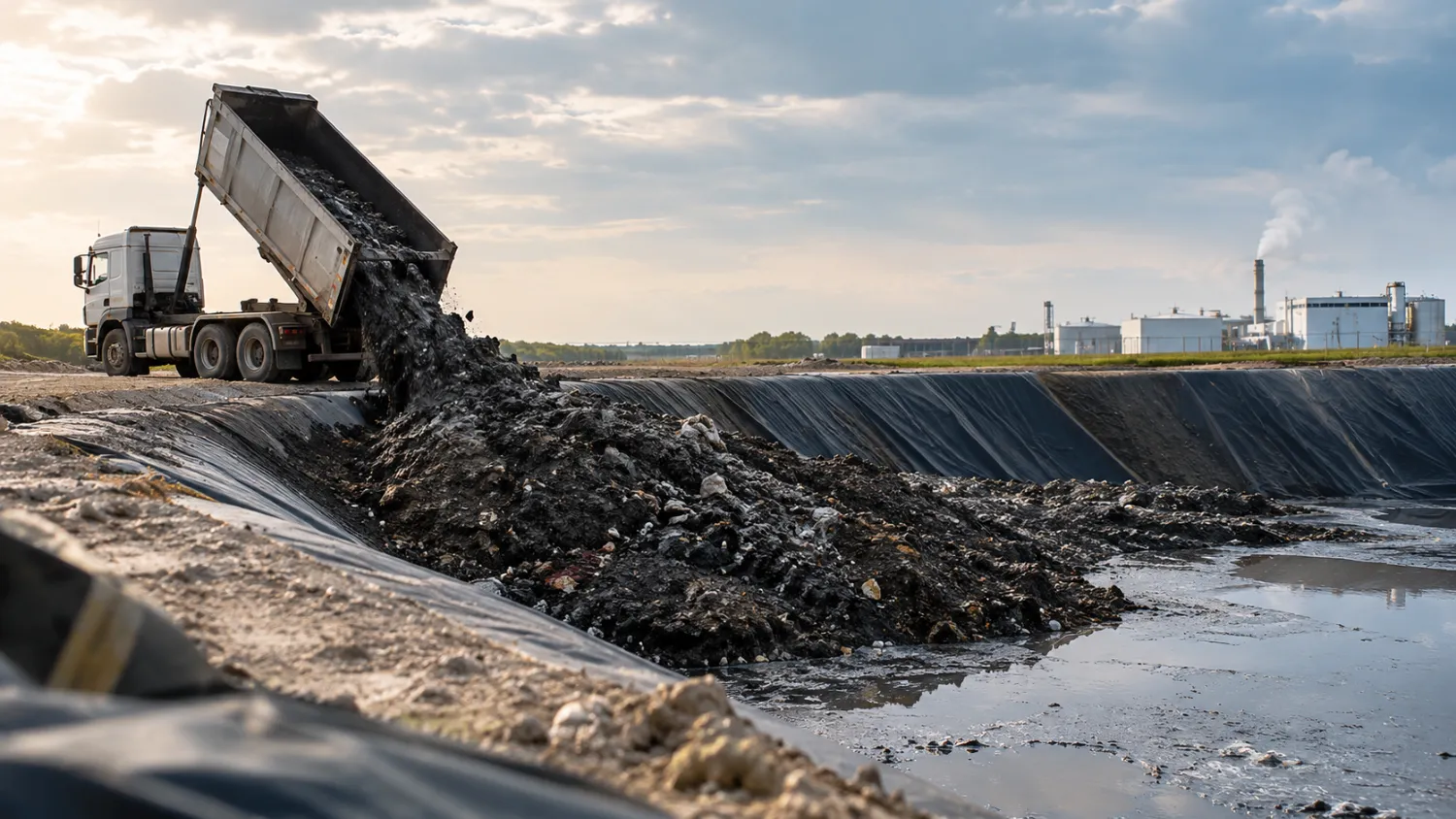
Metal recovery from wastewater is the process of extracting valuable metals from industrial water streams before they are lost.
Metal-heavy sectors whose wastewater can include dissolved metals include electroplating, electronics, metal finishing and advanced manufacturing.
The concentration of these metals can vary significantly between individual wastewater streams, from relatively low levels to much higher concentrations. Regardless of concentration, failing to recover these metals across repeated industrial flows can result in a significant loss of material value.
Depending on the process and chemistry involved, industrial wastewater can contain base metals, precious metals, and critical raw materials that remain useful to the wider economy.
Metal recovery from wastewater is the process of extracting those materials from the water stream before they are lost.
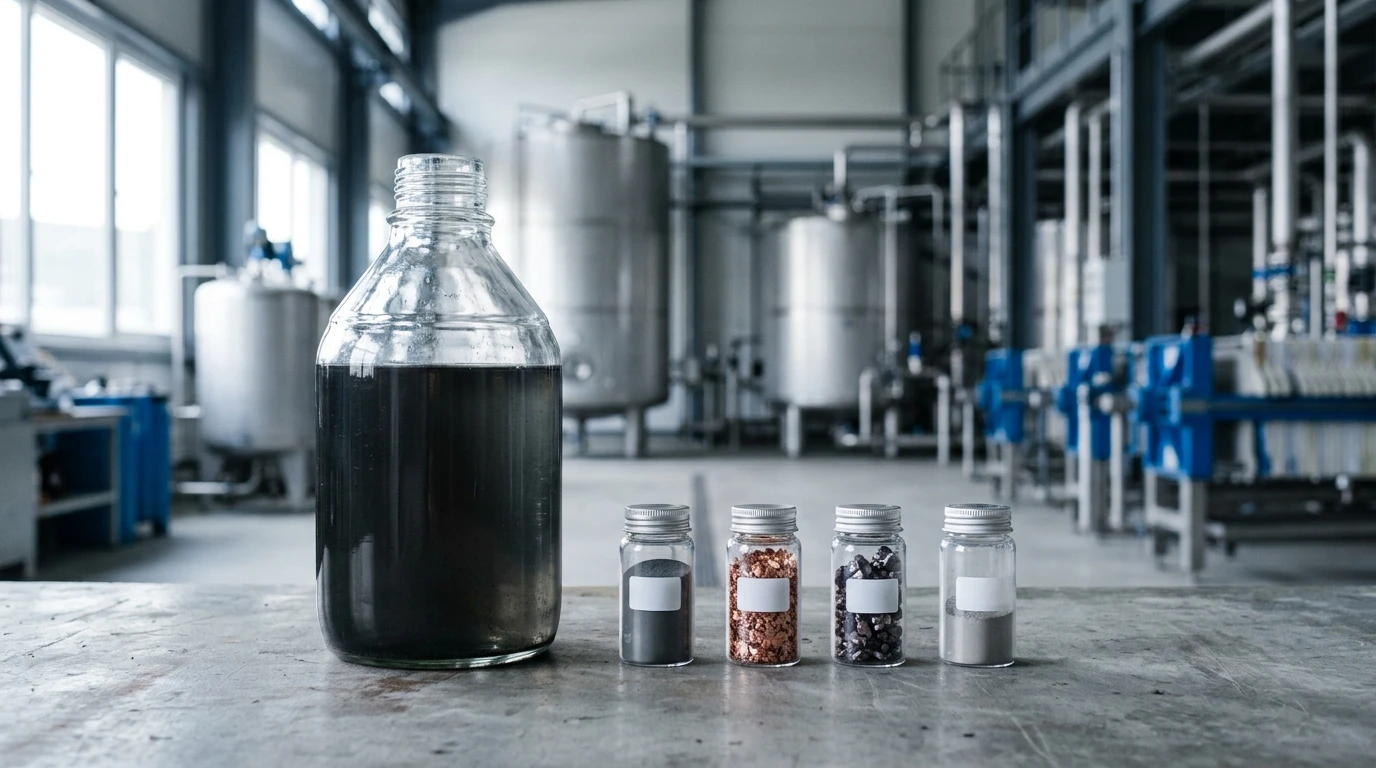
While wastewater is often treated only as an environmental compliance issue, with the goal being to safely dispose of a toxic sludge containing heavy metals, recovery-led approaches treat it as a source of materials that can be captured, concentrated and returned to productive use.
The feedstock for this technology is already above ground, already collected and, in many cases, already being paid for as a treatment problem.
The strategic question for industry and for Europe as a whole is whether the materials inside it continue to be disposed of as waste, or whether they are recovered and given value back as resources for Europe’s industrial base.
Metal recovery from wastewater begins with identifying industrial water streams that contain recoverable concentrations of valuable metals, which may be dissolved in the water or suspended as microparticles.
These streams are often chemically complex, so the first step is to understand:
Once a suitable stream has been identified, the recovery process separates the target metals from the water before they are lost in conventional sludge.
Instead of treating the metals only as contaminants to be removed, recovery technologies aim to capture and concentrate them in a form that can be handled as a material.
Different recovery technologies approach this in different ways.
Some use chemical, electrochemical, membrane or thermal processes to separate metals from wastewater.
The common objective is to extract valuable metals from the liquid stream and turn them into a solid, concentrated or otherwise recoverable form.
Circular Materials’ approach is based on the in-house SWaP™ technology platform, which uses supercritical water, heated above 374°C, at which point it becomes a powerful solvent, to combine industrial wastewater treatment with the recovery of critical raw materials from the same stream.
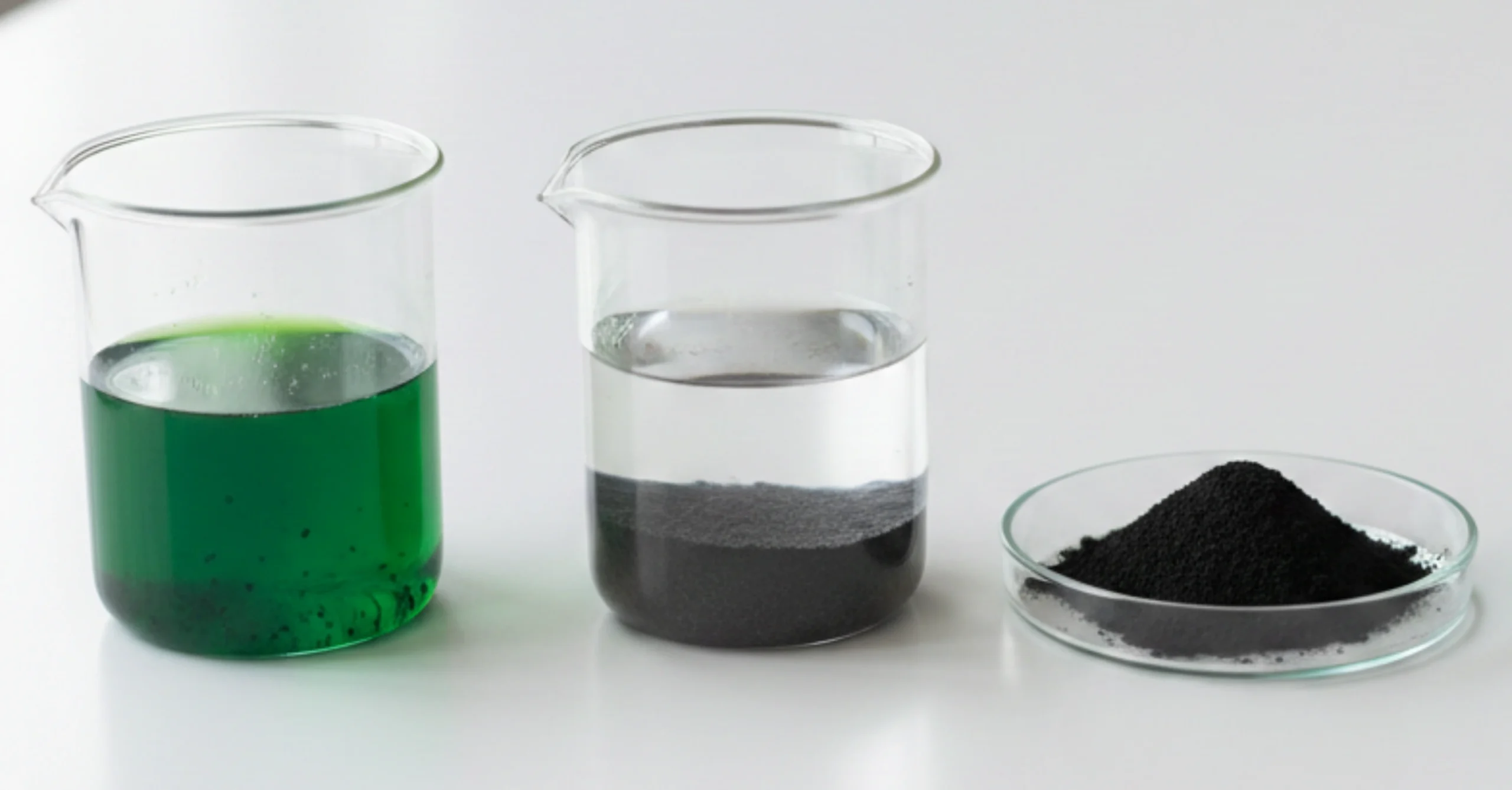
The process recovers dissolved metals directly while also treating the wastewater, enabling both the reintroduction into the economy of valuable resources and the safe disposal of the remaining wastewater, serving both industry and the wider public.
The recovered output can then become a secondary raw material.
Depending on the metal, the wastewater chemistry, and the quality of the recovered product, this material may be suitable for further refining, reuse in industrial applications, or return into supply chains.
The important shift is that the wastewater treatment process no longer ends with disposal. It creates a material output with potential value.
In the right industrial settings, the same stream that once represented a compliance cost can become part of Europe’s secondary raw materials supply and a source of value for the industry.
Europe’s critical raw materials challenge is now a critical industrial-policy priority.
The EU’s Critical Raw Materials Act (CRM Act), which entered into force in 2024, recognises that strategic materials are essential to clean energy, digital infrastructure, defence, aerospace and advanced manufacturing, and that Europe needs stronger domestic capacity across the raw materials value chain.
The Act identifies 34 critical and 17 strategic raw materials, and sets 2030 benchmarks of 10% domestic extraction, 40% processing and 25% recycling, while capping reliance on any single non-EU supplier at 65% for each strategic material.
Recovery from wastewater has already earned formal recognition within this framework.
Of the 47 Strategic Projects selected by the European Commission in 2025 to accelerate domestic raw materials capacity, Italy’s RECOVER-IT project promoted by Circular Materials, was recognised by the EU as a vital strategic project under the CRM Act.
The Act’s 2030 benchmarks include sourcing at least 25% of the EU’s annual consumption of strategic raw materials from recycling, alongside targets for domestic extraction and processing.
Meeting those goals will require more than end-of-life recycling alone but new approaches.
Europe will need to capture valuable materials wherever they are already circulating through the economy.
Wastewater mining fits into that wider shift.
It creates a route for secondary raw materials to re-enter the economy from industrial waste streams that companies already manage directly.
In doing so, it turns circularity from a policy ambition into a practical capability for Europe’s manufacturing base while adding another pathway for critical raw materials recovery.
Resource scarcity is often treated as a question of what can be extracted from the ground.
That will remain important, but it is only part of the picture.
In a circular economy, scarcity is also shaped by how effectively industry retains the materials it has already brought into use.
Europe urgently needs to change the way it thinks about supply.
A metal-bearing wastewater stream does not create new resources and is less visible than a mine, but it nonetheless represents material value that has already been extracted, processed, and moved into the industrial system.
Allowing that value to leave the economy through disposal represents an obvious loss that better recovery systems can help avoid.
A metal recovered from a wastewater stream has, in effect, already paid its environmental price once — recovering it a second time asks nothing more of the planet: no new ground broken, no new ore shipped across the world.
Wastewater mining broadens the definition of resource security.
For Europe, metal recovery from wastewater marks part of a wider shift towards an economy that wastes less, retains more value, and treats secondary raw materials as strategic assets.
Wastewater mining is the recovery of valuable materials from wastewater.
In this article, it refers specifically to recovering metals from industrial wastewater, rather than treating wastewater produced by mining operations.
Metal recovery from wastewater is the process of extracting valuable materials from industrial water streams before they are lost through conventional treatment or disposal.
The recovered material can then become a secondary raw material.
The metals present depend on the industrial process and wastewater chemistry, varying across sectors such as electronics, electroplating, metallurgy, pharmaceuticals, fashion and chemicals. Wastewater can contain base metals, precious metals and critical raw materials.
Many conventional treatment systems are designed to remove contaminants from water, not recover them as resources. Metals may be captured in sludge, which is then handled as a waste stream rather than a source of material value.
Wastewater mining helps keep valuable materials in productive use.
By recovering metals from industrial wastewater, companies can reduce waste, create secondary raw materials and support more circular industrial supply chains.
It creates an additional source of secondary raw materials from industrial streams already managed within Europe. This can support the CRM Act’s recycling objectives and help strengthen domestic resource resilience.